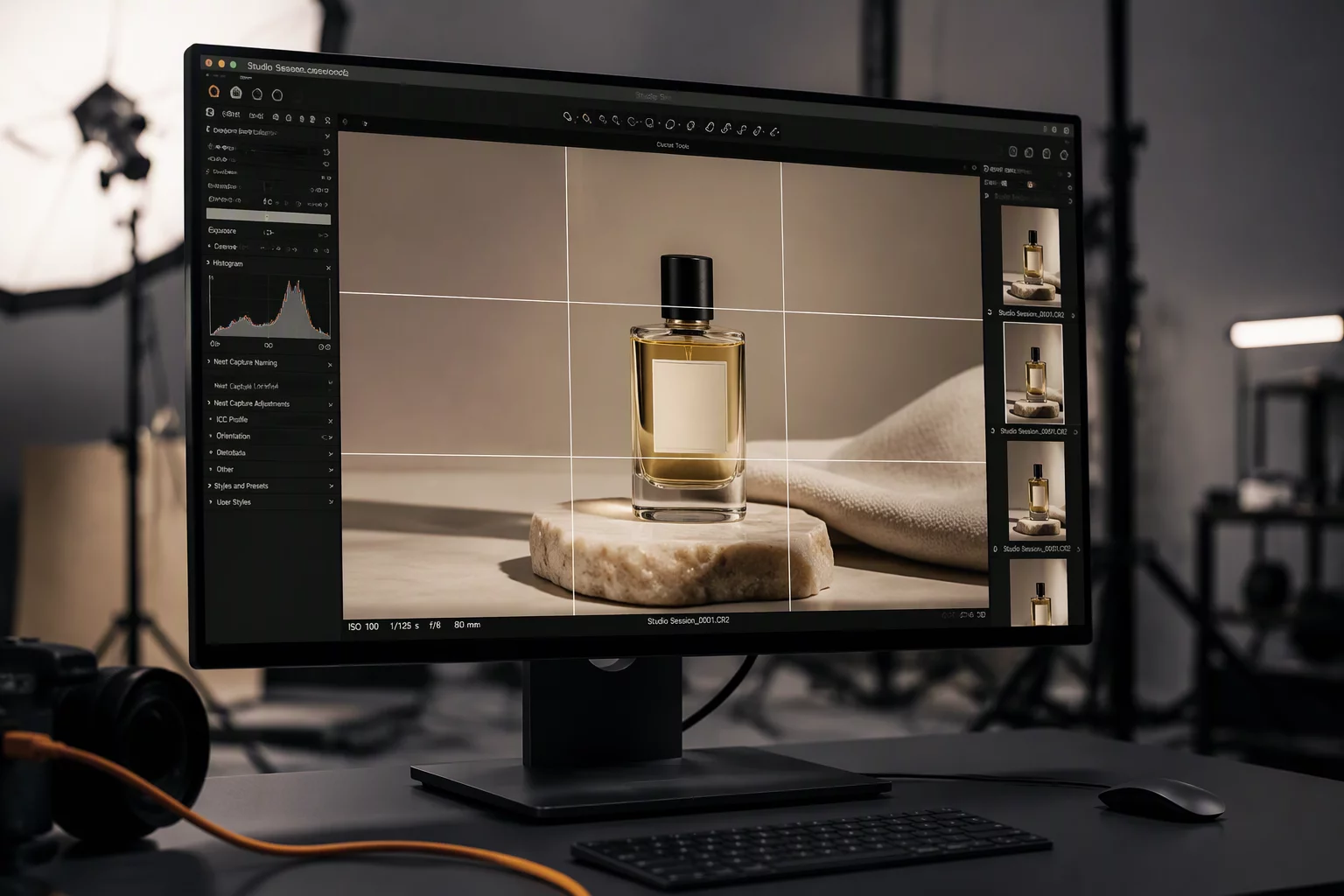
Next-Capture Decisions
A definitive tethered station protocol for digital technicians and studio photographers. Systematically assess incoming exposures, confirm color and client notes, and approve technical adjustments before triggering subsequent frames.
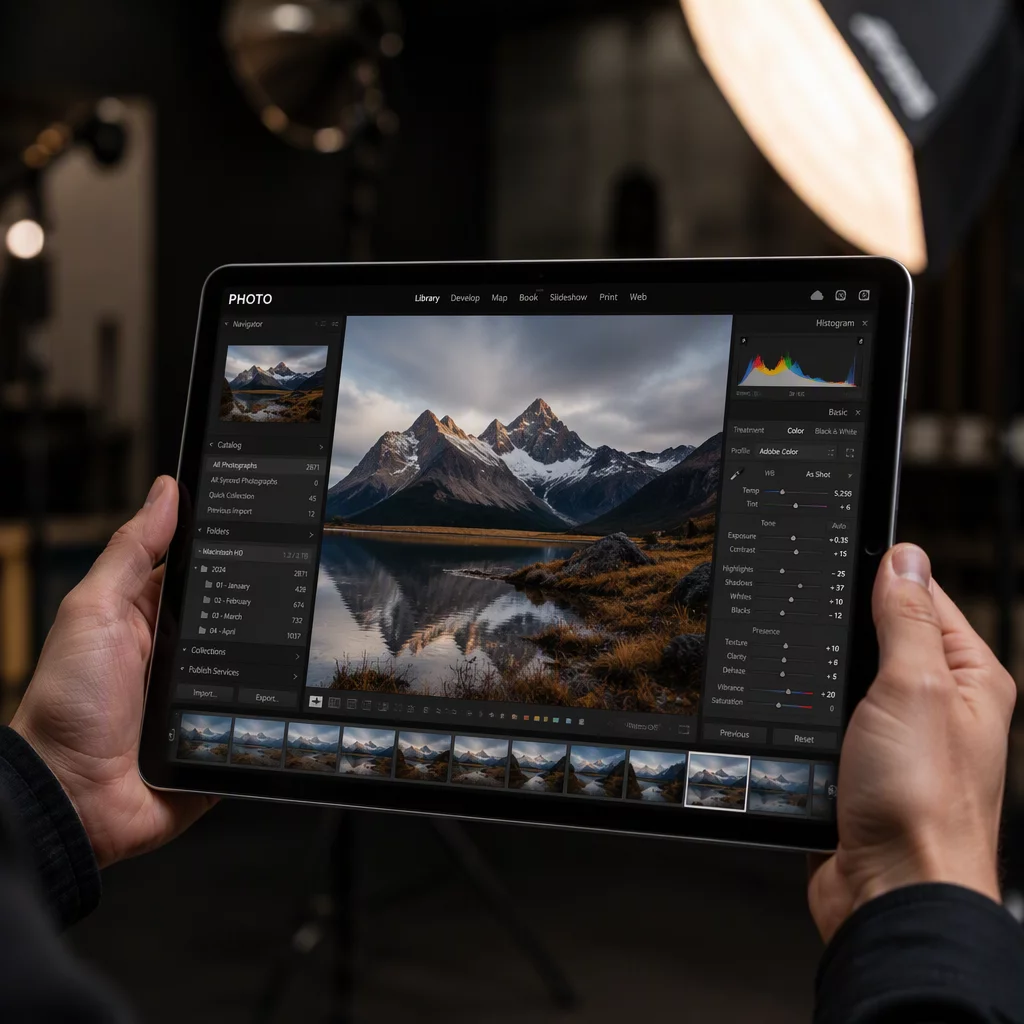
Standard Evaluation Metrics
Execute these standard checkpoints at the digital cart immediately after preview generation to avoid rolling compounding errors into subsequent burst captures.
| Parameter Checkpoint | Standard Value & Criterion |
|---|---|
| Exposure Clipping & Histogram Guard | Confirm zero blown highlight channels on primary subject texture; shadow detail preserved within 5% to 95% dynamic margin. |
| Critical Sharpness & Focus Falloff | Inspect primary focal zone at 100% pixel magnification; flag any micro-shake or focal drift exceeding 1.5 pixels. |
| Strobe Recycling & Power Consistency | Verify pack output stability within +/- 0.1 EV across consecutive captures; watch for thermal color shift. |
| Wardrobe & Prop Orientation Audit | Check garment tension, seam alignment, label visibility, and zero unintended reflections across metallic surfaces. |
| Client Annotation & Tag Clearance | Apply 3-star selection or color tag; confirm art director sign-off on lighting direction prior to angle advancement. |
| Camera Position & Angle Locking | Validate tether plate tension and head lock; ensure zero lens creep or perspective tilt between setup variations. |
Operational Discipline At The Tether Desk
During high-paced studio productions, the tether workstation serves as the critical gatekeeper between raw camera captures and the final commercial asset delivery. Without a deliberate checkpoint between exposures, minor wardrobe shifts, strobe misfires, or micro-focus drift can cascade through dozens of frames before anyone notices on set. The digital technician and primary photographer must establish an unspoken rhythm: shoot, evaluate key metrics within three seconds, communicate necessary micro-corrections, and authorize the next capture.
Next-capture decisions require filtering signal from noise. Instead of scrutinizing every corner of the image simultaneously, experienced digital technicians apply a rapid triage order. First, check exposure and strobe sync alerts; second, inspect primary subject focus at 1:1 magnification; third, verify framing borders for rogue equipment or stray reflectors. By systematizing this triage sequence, sets maintain relentless shooting momentum without sacrificing rigorous technical standards.
- Establish verbal or visual green-light protocols between digital tech and photographer to prevent blind trigger cadence.
- Utilize automated focus overlay loupes locked onto key subject coordinates across sequential captures.
- Flag lighting misfires or color balance fluctuations immediately before repositioning talent or changing product angles.
When art directors or commercial clients stand directly behind the capture cart, next-capture decisions also protect collaborative confidence. Promptly rating selects, flagging frame variations, and locking approved looks allows the creative team to concentrate on talent direction rather than questioning image viability.
Frequently Asked Questions
Related Studio Checkpoints
Combine next-capture verification with companion tethered checklists for end-to-end studio workflow control.