SHOOT-END REVIEW
Systematic verification protocol performed before lights drop or models leave the set. Confirm complete shot-list delivery, verify dual-drive RAW file checksums, validate final ratings, and secure explicit client wrap approval.

WRAP VERIFICATION CRITERIA
Executing a thorough shoot-end check eliminates costly re-shoots caused by missing hero angles, corrupted memory caches, or mismatched naming tokens. Run through each technical parameter before striking lighting fixtures.
| Parameter Checkpoint | Standard Value & Criterion |
|---|---|
| Call Sheet & Shot-List Audit | Every line item on call sheet marked Complete, Alternate, or Omitted with client signature |
| 5-Star & Green Tag Status | Minimum 2 approved primary frames and 1 backup per product SKU or editorial look confirmed |
| Capture Folder File Count | Exact matching count between Capture One Session Trash exclusion and camera frame counter |
| Dual Backup Mirror Verification | Chronosync or Carbon Copy Cloner checksum matching on primary NVMe drive and secondary shuttle drive |
| EIP Packing / Raw Metadata | Color profiles, crop tags, LCC files, and adjustments bundled into standalone EIP packages |
| Client Sign-off & Contact Sheet Export | Low-res web contact sheet generated and formal wrap release signed by art director or brand lead |
PREVENTING POST-WRAP DISASTERS
Tearing down a studio set prematurely ranks among the costliest mistakes in commercial production. When lights are struck and talent leaves the dressing room, reproducing the exact ambient falloff, garment tuck, or specular angle becomes practically impossible. The shoot-end review serves as the definitive structural gate between live production and post-processing.
Digital techs and lead photographers initiate this sequence immediately upon the director calling final frames. The session browser switches into a comprehensive contact grid where key stakeholders review every deliverable against the initial storyboard. During this window, all capture buffers finish flushing from fast RAM cache to persistent flash media.
- Reconcile all unrated captures, ensuring no accidental rating mislabels hide candidate selects inside secondary capture folders.
- Run automated checksum verification (MD5 or xxHash64) across the primary SSD and secondary archive drive before any cord gets unplugged.
- Export an indexed PDF contact sheet with embedded file names and timecodes for immediate distribution to the retoucher and account director.
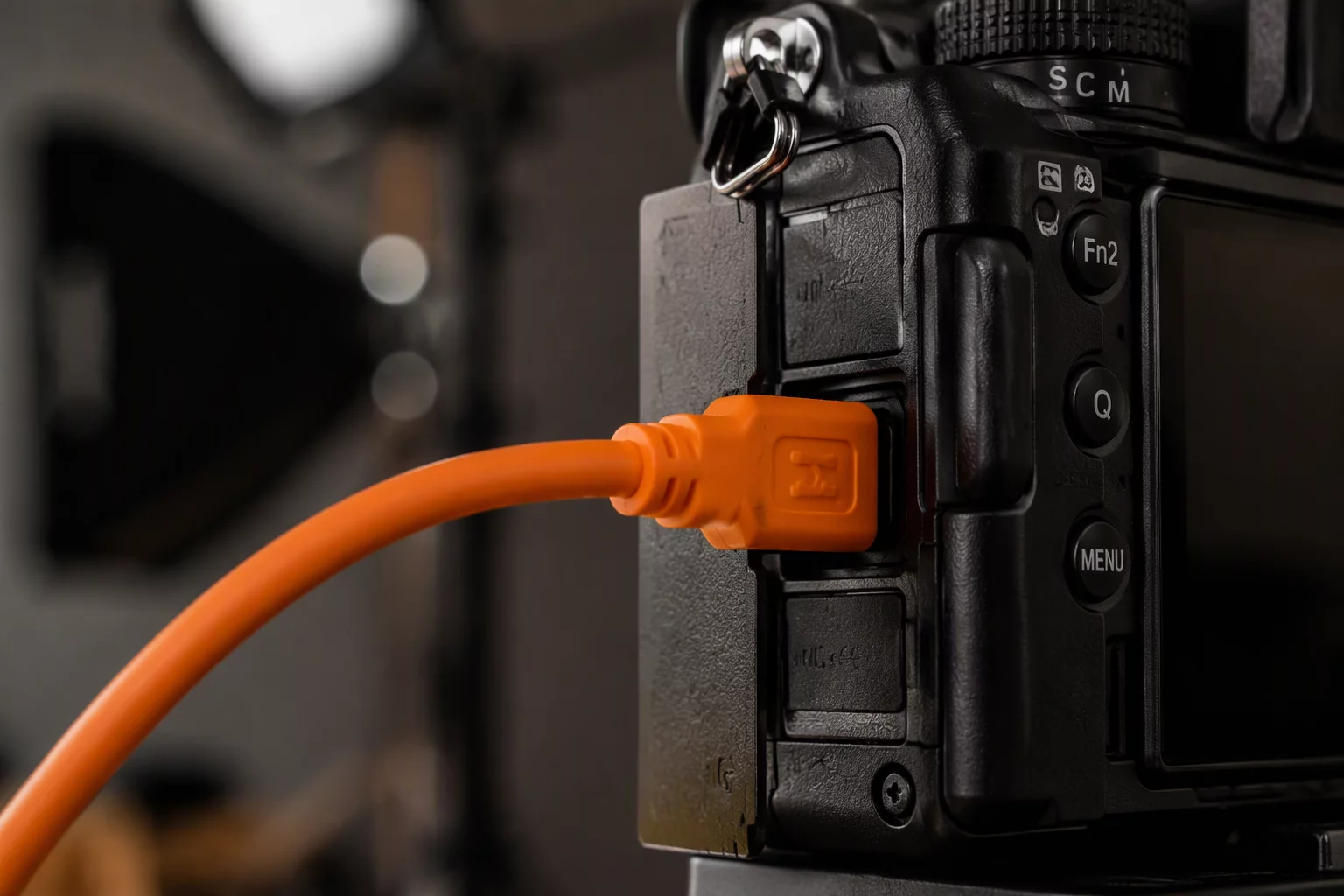
Once every item passes inspection, client leads sign the physical or digital handoff manifest. Only after this signature is logged does the digital technician grant clearance to disconnect camera tethers, unplug power distribution racks, and release on-set styling teams.
SHOOT-END WRAP QUESTIONS
CONNECTED CAPTURE CHECKPOINTS
Explore adjacent verification sequences designed to standardize every phase of tethered studio operations.